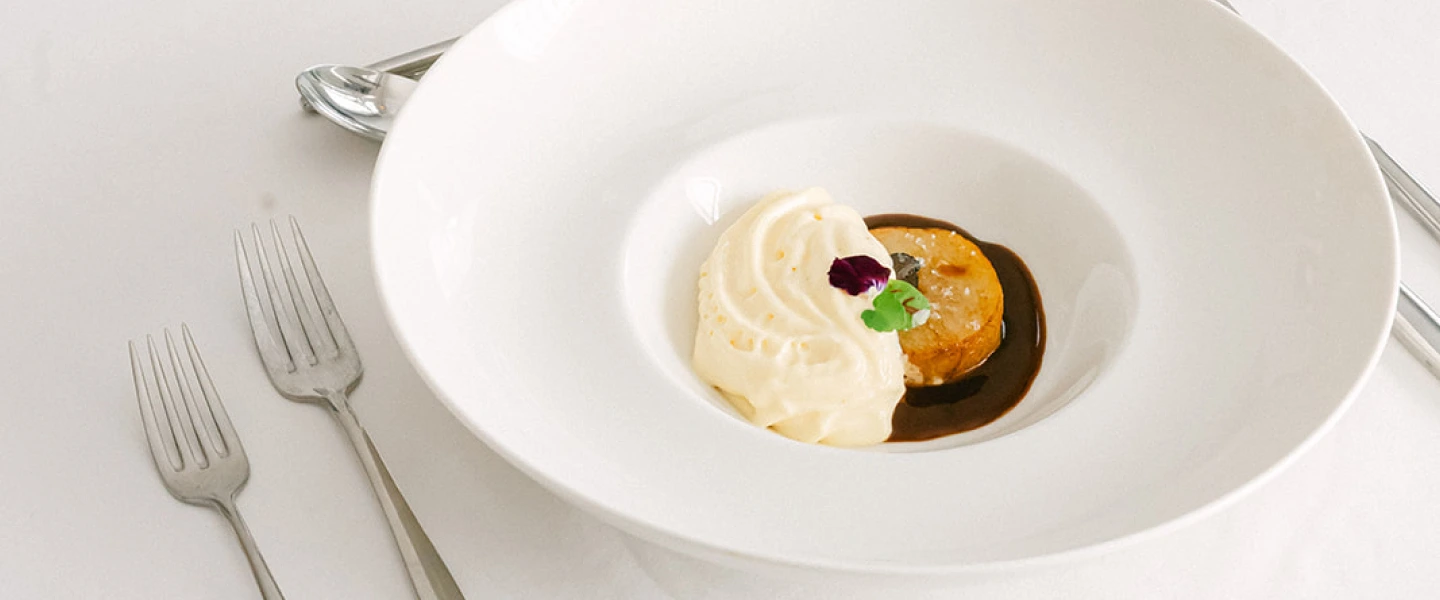
Allergy-friendly wedding menus: how a high-end caterer accommodates dietary restrictions without disappointing your guests
Organizing a wedding means accommodating diversity. Among your hundred guests, there will almost inevitably be someone who doesn't eat gluten, someone on a vegan diet, someone whose religious beliefs impose restrictions, or even a child with a nut allergy. The question isn't whether you'll have dietary restrictions to manage, but how they will be managed.
The answer all couples dread is a sad plate, a barely seasoned white rice discreetly placed in front of the vegan guest while everyone else enjoys foie gras millefeuille. This is neither elegant nor acceptable for a wedding reception.
At DV Traiteur, managing allergies and dietary restrictions is not an exception; it's an integral part of creating the bespoke menu, just like selecting products, service, or the evening's flow.
Why is anticipating dietary requirements a priority right from the preparation phase?
Managing dietary restrictions begins long before the big day. It starts when DV Traiteur enters the menu co-creation phase with you.
During your preparatory discussions with Morgane or Valérie, you will be asked to provide a list of your guests' dietary requirements and allergies, as precisely as possible. This isn't just an administrative formality. It's what allows the culinary teams to prepare suitable alternatives, source the right products, and anticipate restrictions without having to improvise on the evening itself.
The earlier the information is provided, the more refined the gastronomic response can be. An allergy reported several weeks before the wedding allows for genuine culinary creation. The same allergy discovered the day before only allows for a makeshift solution. And this difference is visible on the plate.
What are the most common dietary requirements and allergies at a wedding?
Across various events (weddings, private receptions, corporate seminars), DV Traiteur's teams regularly manage three main categories of restrictions:
- Food allergies: gluten, lactose, eggs, nuts, shellfish, sesame... Allergies can be mild or life-threatening for the guest. In all cases, they are treated with the same level of rigor.
- Vegetarian and vegan diets: increasingly common, including for entire tables at some weddings. The challenge is to offer a vegetarian wedding menu that is as elaborate, generous, and enjoyable as the meat-based version, and not just a simple plate of grilled vegetables.
- Religious or cultural restrictions: halal, kosher, absence of pork out of respect for certain guests' beliefs. These restrictions require a thorough knowledge of the products used and rigorous traceability in the kitchen.
At a high-end reception, diverse dietary needs are a reality. Mastering them is a skill, not a constraint.
How does DV Traiteur ensure an identical gastronomic experience for all guests?
This is the central point, and undoubtedly what distinguishes a premium approach from a standard one. At DV Traiteur, the goal is not to "make do" with restrictions, but to integrate them into the same culinary ambition.
Specifically, this means that a guest following a gluten-free wedding menu should not feel like they are eating separately. Their plate is crafted, plated, and served with the same care as the others. It arrives at the same time, with the same elegance. It tells the same meal story, simply in a different version, just as a chef adapts a recipe according to the season or available produce.
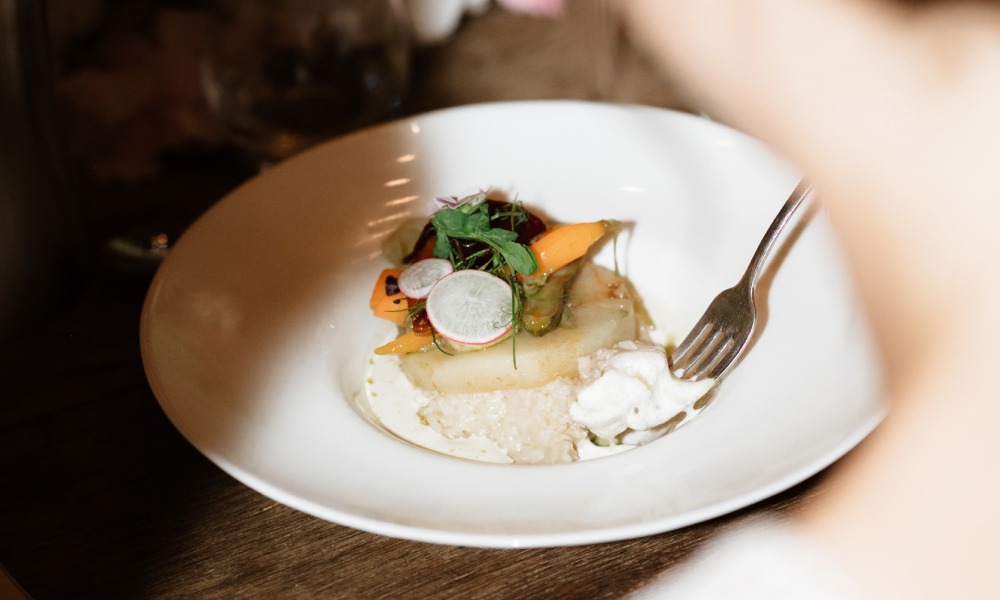
For vegetarian or vegan wedding menus, DV Traiteur does not offer a simplified version of the main menu. These alternatives are conceived as complete dishes in their own right: creations that showcase vegetables, grains, herbs, and textures with the same high standards as our meat or fish dishes.
It is this uncompromising culinary approach that makes all the difference to the guest's experience.
What measures are taken in the kitchen to prevent cross-contamination?
Managing reported intolerances isn't limited to the plate served; it starts much earlier, behind the scenes.
In the kitchen, several systematic precautions are taken:
- Specialized dishes are prepared on dedicated workstations and with dedicated utensils to prevent any contamination with the relevant allergens.
- Plates intended for guests with dietary restrictions are clearly identified throughout the preparation process, right up to the final plating.
- The kitchen teams are informed of the specific allergies involved, not just general diets. A nut allergy leaves no room for error.
This proactive rigor is what allows us to serve with confidence on the big day and prevent a food incident from marring what is meant to be a perfect moment.
How does the service ensure discreet and seamless delivery of specialized meals on the wedding day?
Coordination between the kitchen and front-of-house service is an often underestimated yet crucial factor for the guest's experience.
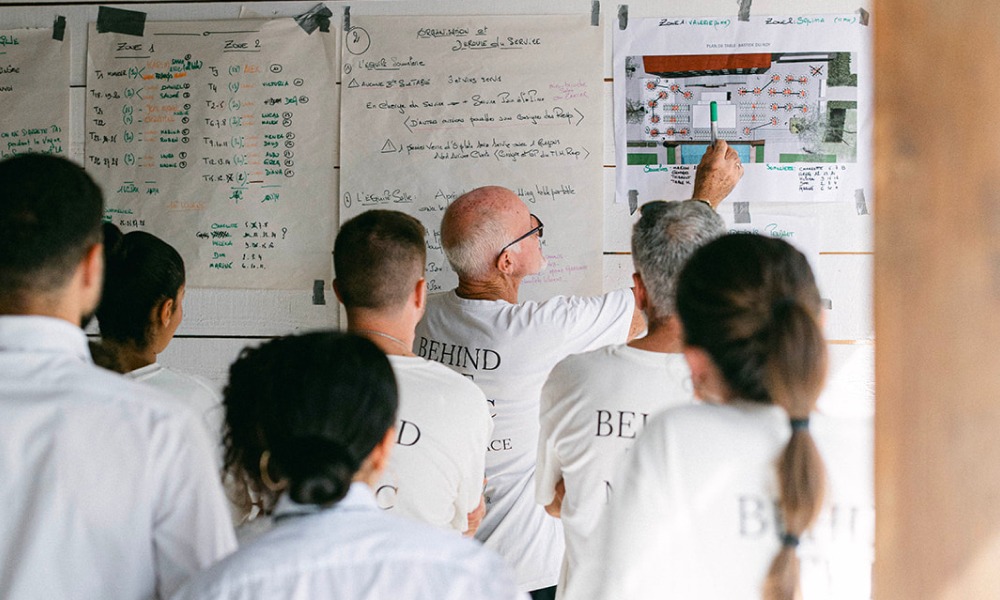
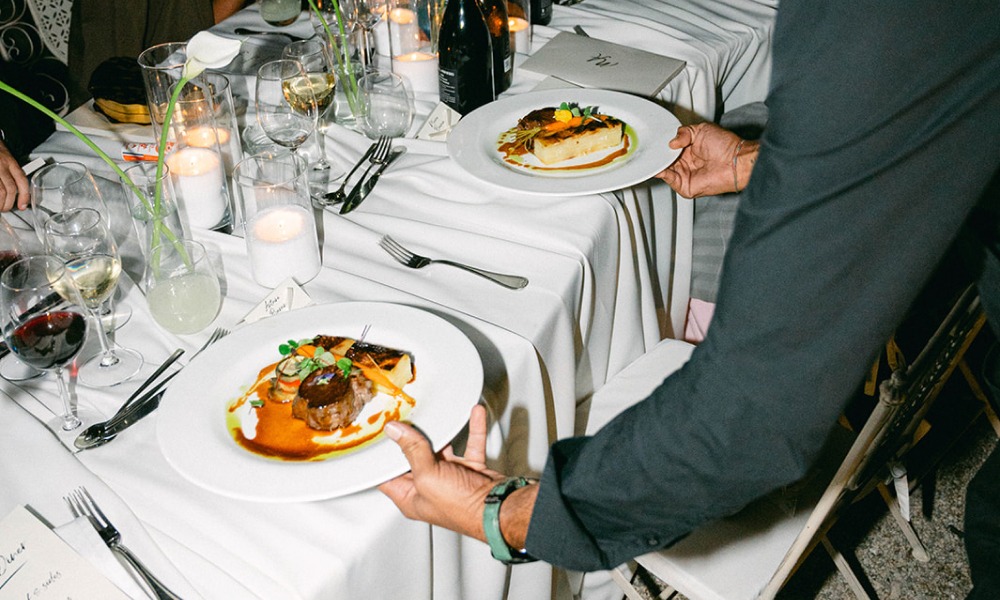
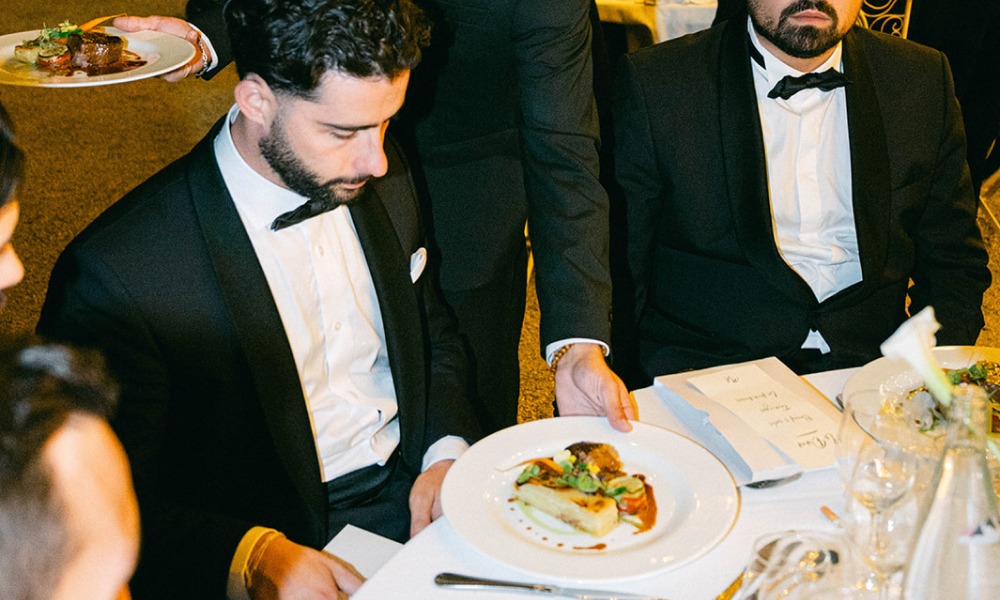
On the day of the event, the service team is precisely informed of the table and seat of each guest with a specific dietary requirement. There are no public announcements, no loud questions asked in front of other guests, and no visible hesitation. The specialized meal arrives naturally, as if it were part of the regular service, because it is.
This seamlessness is not accidental. It relies on a streamlined organization: detailed service sheets, internal communication prior to the meal, and teams accustomed to managing this type of coordination in demanding contexts, whether it's a wedding at a Provence estate or an indoor seminar.
For the guest, the result is an attentiveness that is felt without ever being overtly displayed.
How to report your guests' dietary restrictions to your caterer?
The process is seamlessly integrated into your event preparation:
- From your very first discussions with DV Traiteur, note down any restrictions you already know about. Don't save them for later.
- Provide the information on an ongoing basis, as you receive your guests' responses. There's no need to wait until you have everyone's responses to start.
- If possible, distinguish between diagnosed allergies and dietary preferences. Both will be managed, but with appropriate levels of rigor.
- If you're unsure about the nature of a restriction, please mention it anyway. It's better to flag uncertain information than to overlook it.
Your tasting appointment is also an opportunity to discuss these points and to confirm that the proposed alternatives meet your expectations in terms of taste, presentation, and consistency with the rest of the menu.
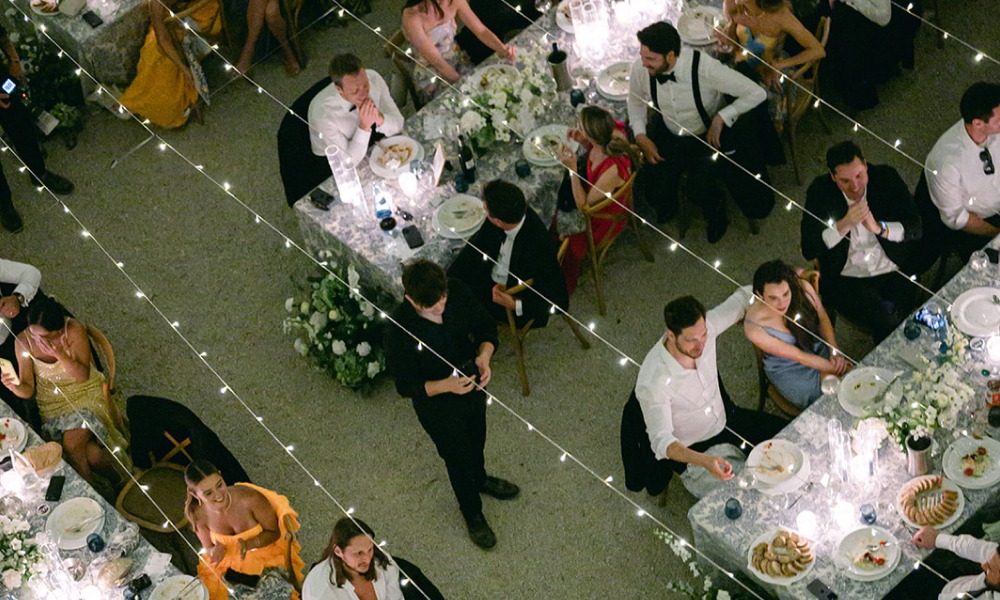
A successful wedding meal is one where every guest feels fully included.
Managing allergies and dietary requirements is not a burden we endure; it's a mark of quality. At a company like DV Traiteur, where every service is built around people rather than a standard menu, the diversity of dishes is simply another facet of our bespoke approach.
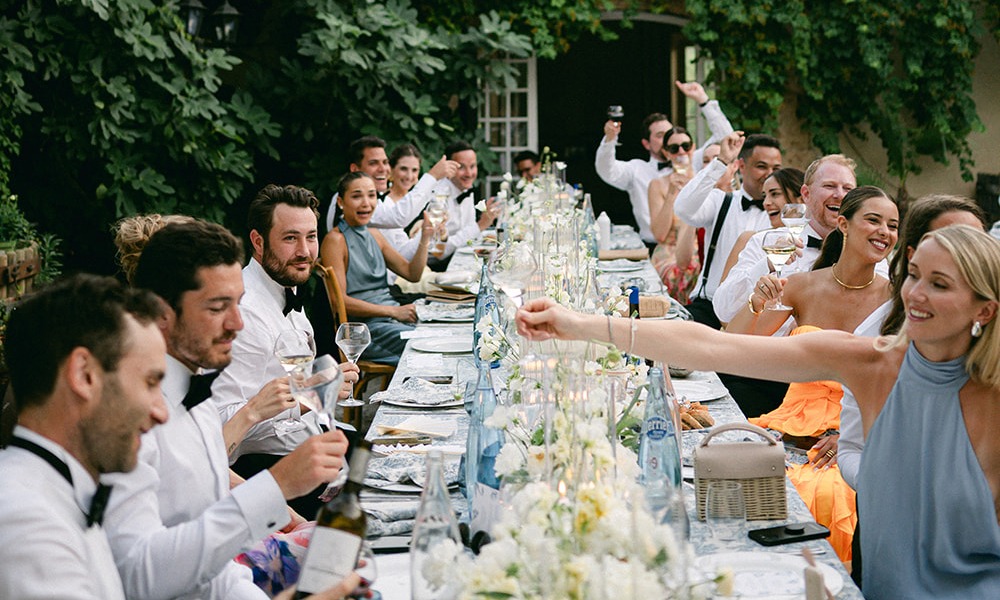
Your guests don't always know what goes on in the kitchen to make their meal a success. But they feel the result: an evening where no one feels left out, where everyone shares the same experience, and where attention to detail is evident in every dish served. If you're planning your wedding and would like to discuss managing dietary requirements for your event, please contact our team: Morgane or Valérie will personally respond to help you create a menu where every guest finds their place.